
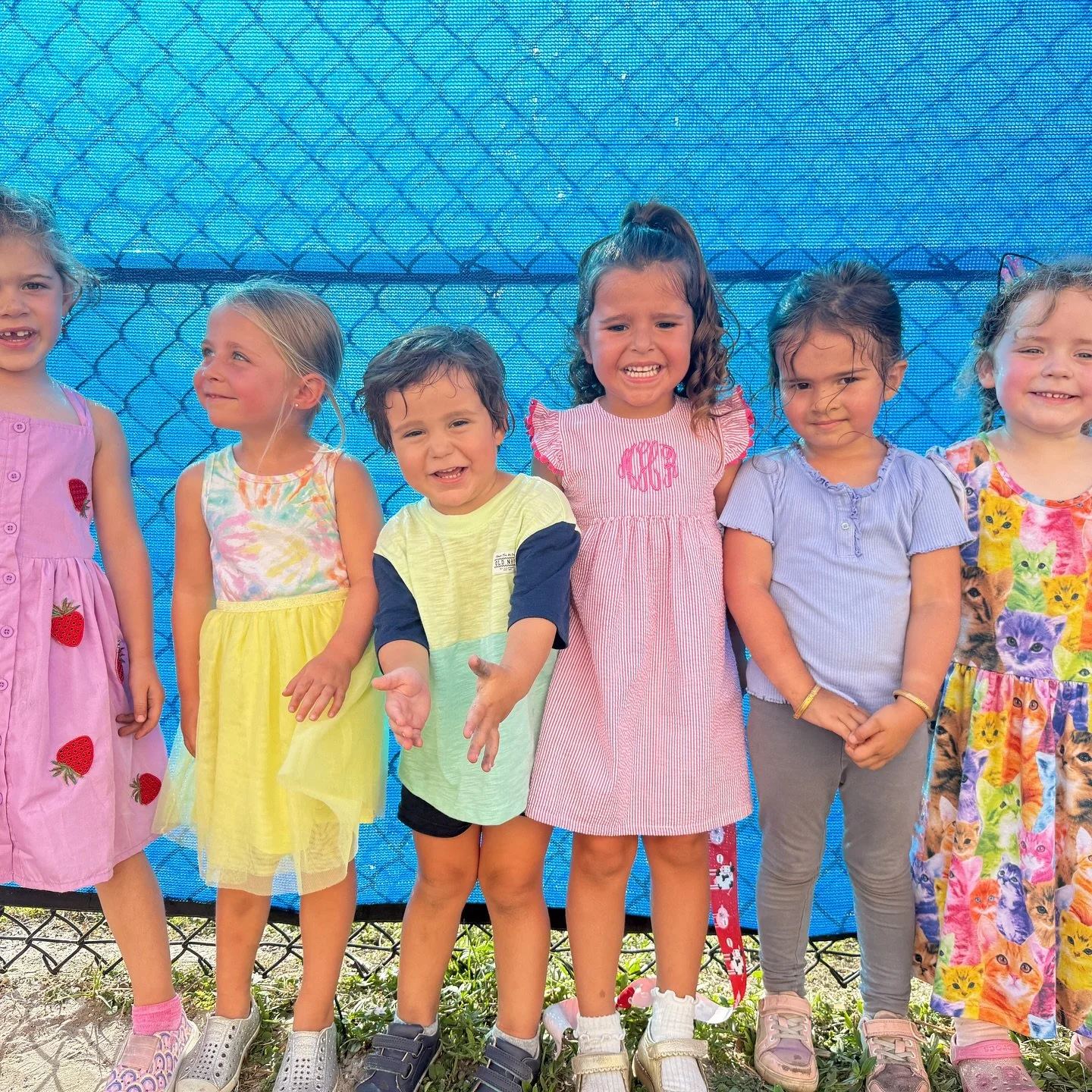

At Early Explorers Tampa, we are inspired by the Reggio Emilia philosophy, which views children as capable, curious, and full of potential. Our program is child-centered and inquiry-based, meaning your child’s interests and ideas help shape their learning experiences.
We'd love to invite you to take a tour of our new location (4209 W. San Miguel St.) and answer any questions you may have.
-
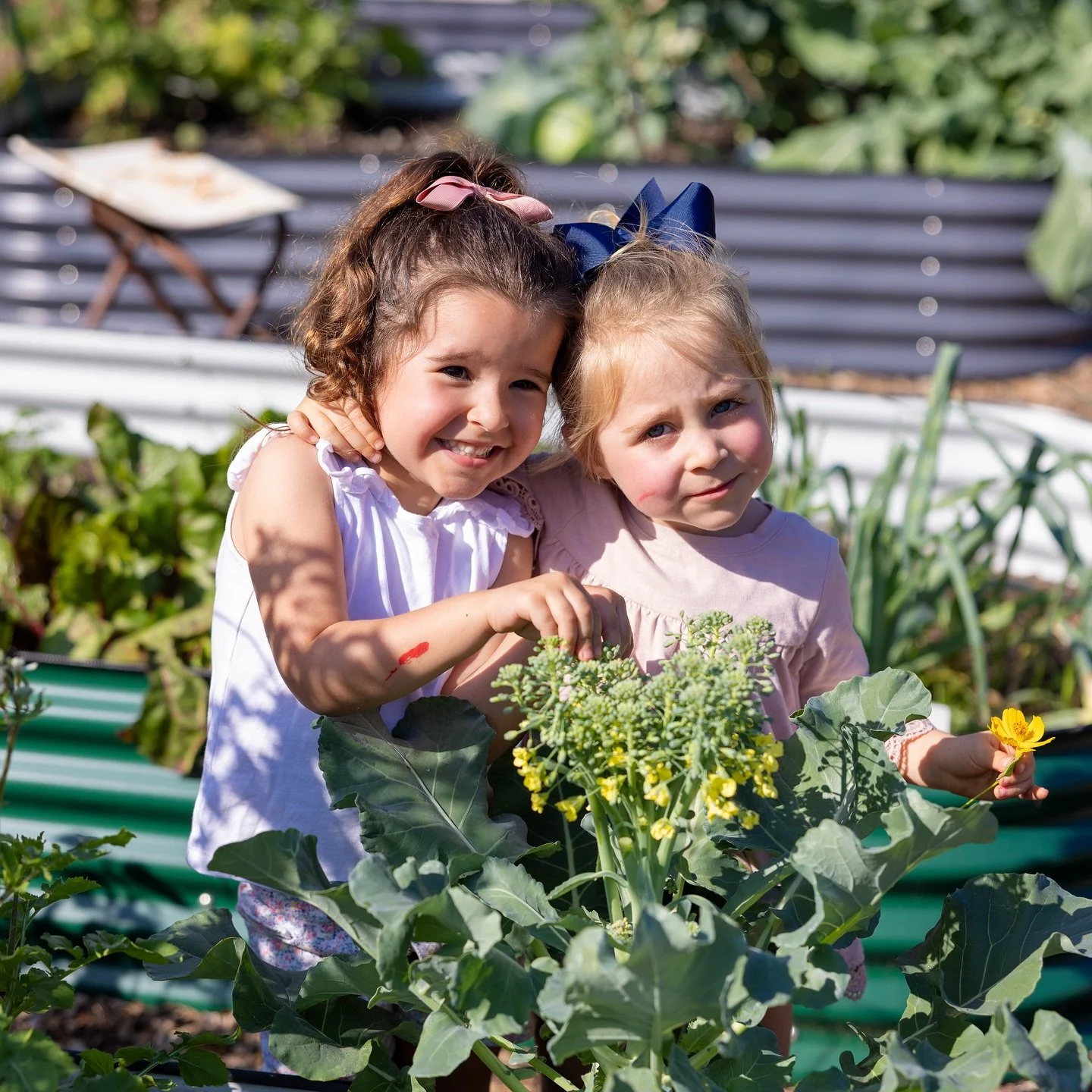
Ages 2-5
Early Explorers Tampa welcomes potty-trained learners ages 2-5 from a variety of backgrounds and ability levels.
-

Flexible Options
We offer 2-, 3-, and 5-day schedules, as well as part-time (9:00 AM - 1:00 PM), full-time (9:00 AM - 3:30 PM), and extended day options (8:00 AM - 5:00 PM).
-
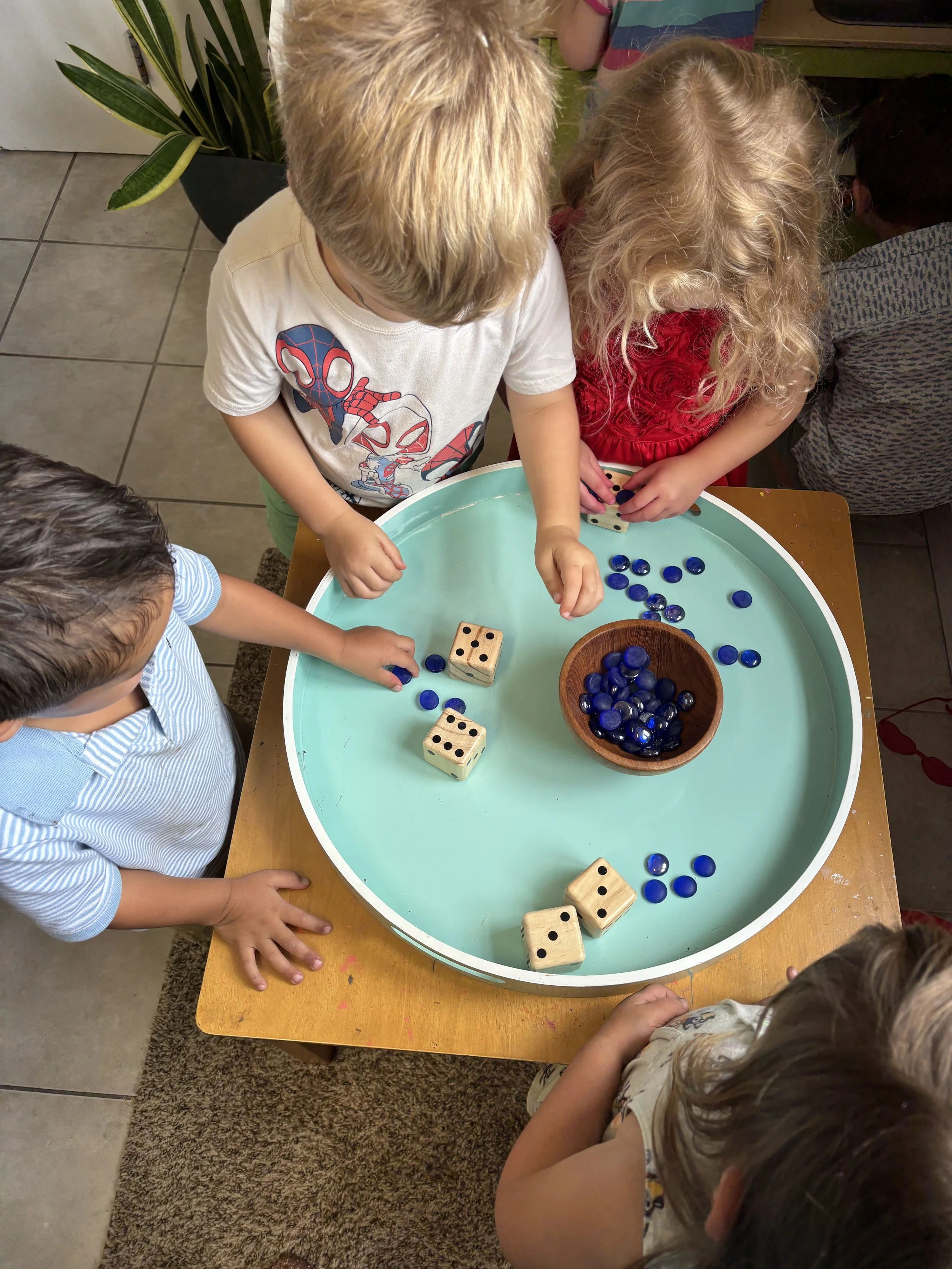
Low Ratios
We’re proud to maintain exceptional teacher-to-student ratios—1:8 in PreK2-3 and 1:10 in PreK-4, ensuring personalized attention for every child.
-
0% Teacher Turnover
Established in 2021, our original preschool teachers are still with us! This 0% turnover rate means your child benefits from familiar faces and a stable, loving environment as they grow.

Our mission is to provide an environment that empowers children to engage with the world around them, promoting learning through exploration, hands-on experience, and inquiry.
Our vision is to support children in reaching their full potential by fostering their natural curiosity, independence, and inherent abilities.
Quality Education: Early Explorers Tampa’s experienced staff is dedicated to providing a rich and stimulating environment where children can explore, learn, and grow.
Safety First: We prioritize the safety and well-being of every child in our care, ensuring parents' peace of mind.
Holistic Development: We focus on the whole child—creativity, independence, physical, emotional, and social growth.
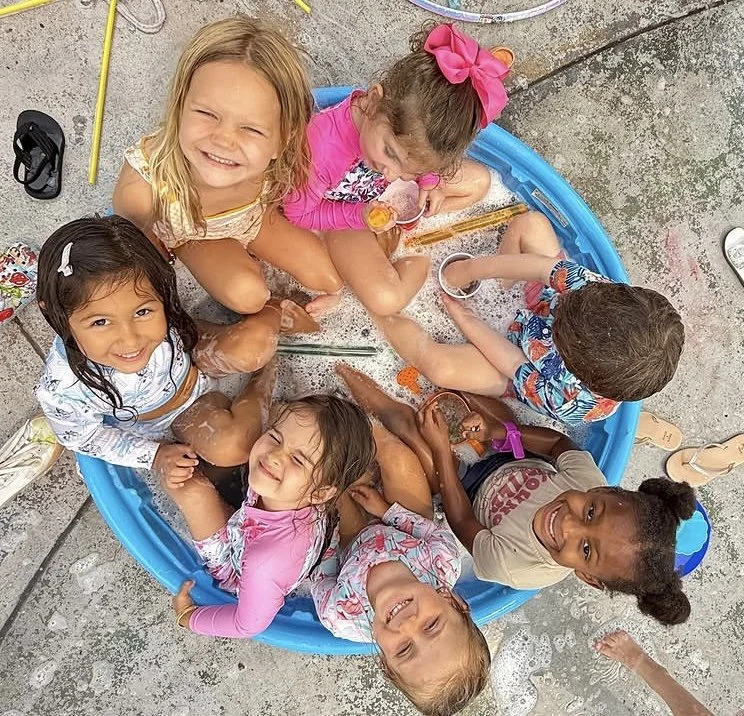
Curious about what a typical day looks like for our preschoolers at Early Explorers Tampa? Our thoughtfully designed schedule balances engaging learning activities, creative play, and essential rest.
-
Each morning begins on the playground, where children are welcomed into the day through movement, nature, and connection. As they arrive, children are invited to explore open-ended materials, climb, dig, observe, and engage with peers at their own pace. This unhurried transition honors children as capable learners, supports emotional regulation, and fosters a sense of belonging as the classroom community naturally comes together outdoors.
-
Morning meeting is a time for connection, reflection, and shared meaning. Children and teachers come together to greet one another, exchange ideas, and revisit ongoing projects or questions from the day before. Through conversation, music, stories, and intentional listening, children’s voices guide the direction of the day, strengthening community, communication, and a sense of belonging.
-
As a Reggio Emilia–inspired program, we view the classroom environment as the “third teacher,” alongside families and educators. Our teachers thoughtfully design centers that reflect children’s interests and invite curiosity, collaboration, and deeper exploration.
When children are interested in robots, you may see them designing and building creations using cardboard boxes and loose parts. When their curiosity turns to the ocean, children might explore matching and identifying cards with fish figurines in the water table or observe the live fish in our classroom aquarium. These intentional experiences allow learning to emerge naturally from children’s ideas and questions.
-
Snack time is a meaningful social experience where children gather to slow down, connect, and care for themselves and one another. Children are encouraged to participate in setting up, serving, and cleaning up, fostering independence and responsibility. Through shared conversation and intentional routines, snack time becomes an opportunity for community building, language development, and mindful nourishment.
-
Outdoor play is an extension of the classroom, where nature becomes a powerful teacher. Children are given time and space to move their bodies, take risks, collaborate with peers, and explore the natural world through open-ended play. Whether climbing, digging, observing insects, or creating games together, outdoor experiences support physical development, problem-solving, creativity, and a deep connection to the environment.
-
We use our toys to authentically practice skills like sharing, teamwork, and creativity with our friends. Our teachers observe us to learn more about our interests, so they can be intentional with center planning. This is also when teachers pull us to work in small groups to meet us where we are in our learning journey—one group of friends may be learning the fundamentals of reading or completing math problems, while another is identifying colors or strengthening fine motor skills. That’s ok! We all learn at different paces.
-
During Circle Time we come back together as a class so our teachers can read aloud to the children. We also revisit core skills that everyone is working toward, such as letter names and sounds, numbers, shapes, and more!
-
Lunch is a time for children to slow down, nourish their bodies, and connect with friends. All meals and snacks are brought from home, allowing families to provide foods that meet their child’s needs and preferences. On Fridays, children have the option to sign up for Pizza Friday as a special treat. During mealtime, children are encouraged to serve themselves, practice independence, and engage in conversation, making lunch a meaningful opportunity for community, responsibility, and social growth.
-
As the day winds down and our part-time friends prepare to go home, we come together for a brief afternoon meeting. This time allows us to reflect on our day, celebrate our discoveries, strengthen our classroom community, and say meaningful goodbyes. By honoring each child’s voice and experiences, transition time supports emotional regulation, connection, and a sense of closure for the day.
-
At Early Explorers, we honor each child’s individual needs for rest and renewal. Some friends still need a full nap, while others benefit from a shorter 30-minute rest and reset time. Children are grouped accordingly and go to different spaces to support their well-being.
For children who take a full nap, bringing a nap mat and a comfort item, like a favorite lovie, helps create a cozy and familiar environment for restful sleep.
Those who do not take a full nap enjoy quiet center time and additional outdoor play, allowing for reflection, calm engagement, and continued exploration in the afternoon.
-
After rest and nap time, all children gather for a nourishing afternoon snack, offering a chance to reconnect and share with friends. At 3:30, our full-time friends are dismissed, while children who need extra care continue with engaging, purposeful activities until 5. This time supports social connection, independence, and a gentle transition toward the end of the day.